If you've ever wondered why one Banarasi saree costs ₹4,000 while another costs ₹40,000, the answer lies in the craftsmanship. An authentic Banarasi saree is valued for its weave, fabric, zari quality, and traditional motifs. Understanding these details helps you identify genuine handloom Banarasi sarees and make an informed purchase.
What Makes an Authentic Banarasi Saree?
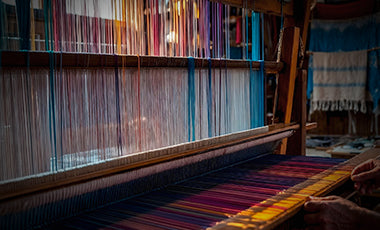
Banarasi weaving has been practiced in Varanasi for generations by skilled artisans working on traditional handlooms. Although Banarasi silk received a Geographical Indication (GI) tag in 2009, machine-made replicas are still widely available.
One of the easiest ways to identify a genuine handloom Banarasi saree is by checking the reverse side. Authentic handloom sarees usually have loose and slightly uneven threads on the back, while powerloom versions appear perfectly neat and uniform.
Always ask the seller to show the reverse side before purchasing. Genuine sellers are happy to demonstrate the craftsmanship behind their products.
Different Types of Banarasi Weaves
Katan Silk
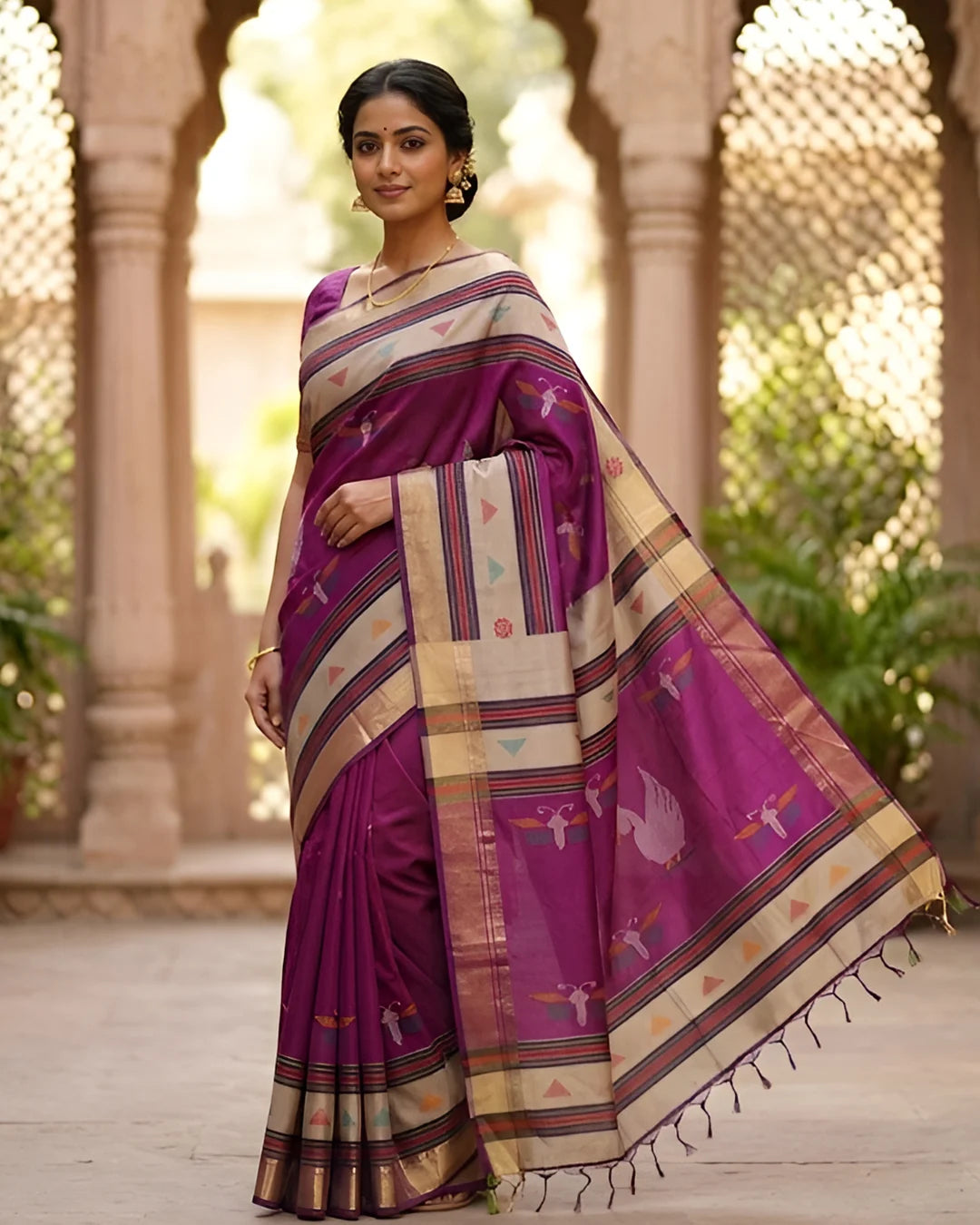
Katan Silk is the most traditional Banarasi weave. Made using tightly twisted silk threads, it has a crisp texture, structured drape, and luxurious appearance, making it a favourite for bridal wear.
Organza (Kora)
Organza, also known as Kora, is lighter than Katan silk and features a sheer, elegant finish. Its open weave allows the zari work to reflect light beautifully, creating a sophisticated look.
Banarasi Georgette
Banarasi Georgette offers a soft, flowing drape with a lightly crinkled texture. It is ideal for festive occasions and comfortable enough for extended wear.
Shattir
Shattir sarees are rare and highly prized due to the time and craftsmanship involved in their production. Each piece can take several weeks or even months to complete.
Fabrics Used in Banarasi Sarees
Pure Silk
Pure silk Banarasi sarees are rich, luxurious, and long-lasting. One simple way to test silk is by burning a loose thread—it smells like burnt hair and leaves behind fine ash.
Tissue Fabric
Tissue Banarasi sarees are woven using silk and metallic zari threads together, creating a beautiful shimmering finish that changes under different lighting conditions.
Semi Silk
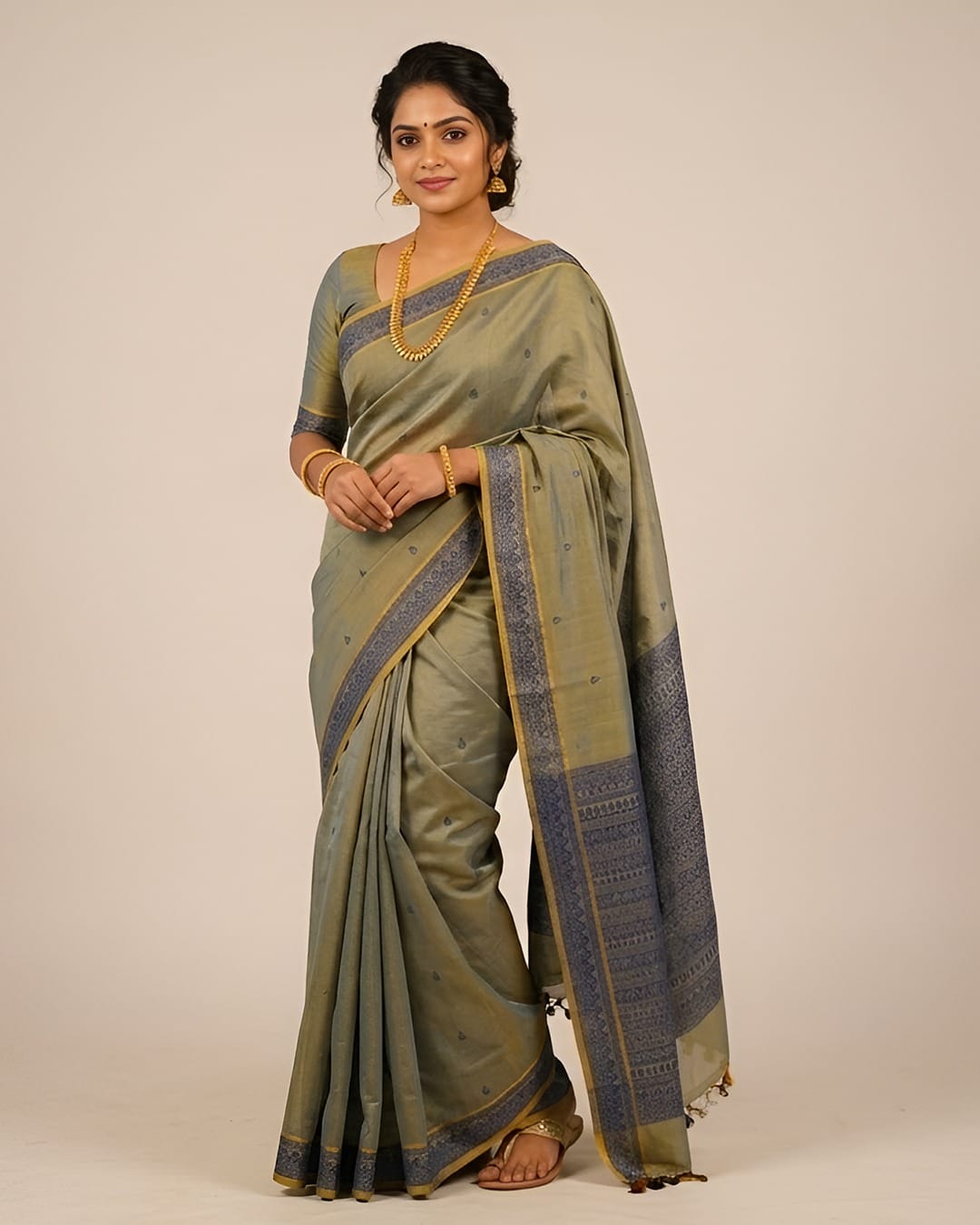
Semi-silk sarees usually combine cotton or rayon with silk or zari borders. They are more affordable than pure silk and suitable for regular wear.
When shopping online, always read the fabric description carefully instead of relying only on product photographs.
Popular Banarasi Motifs
Jangla
Jangla motifs feature dense floral vines and foliage across the entire saree. These elaborate designs are commonly found on bridal Banarasi sarees.
Butidar
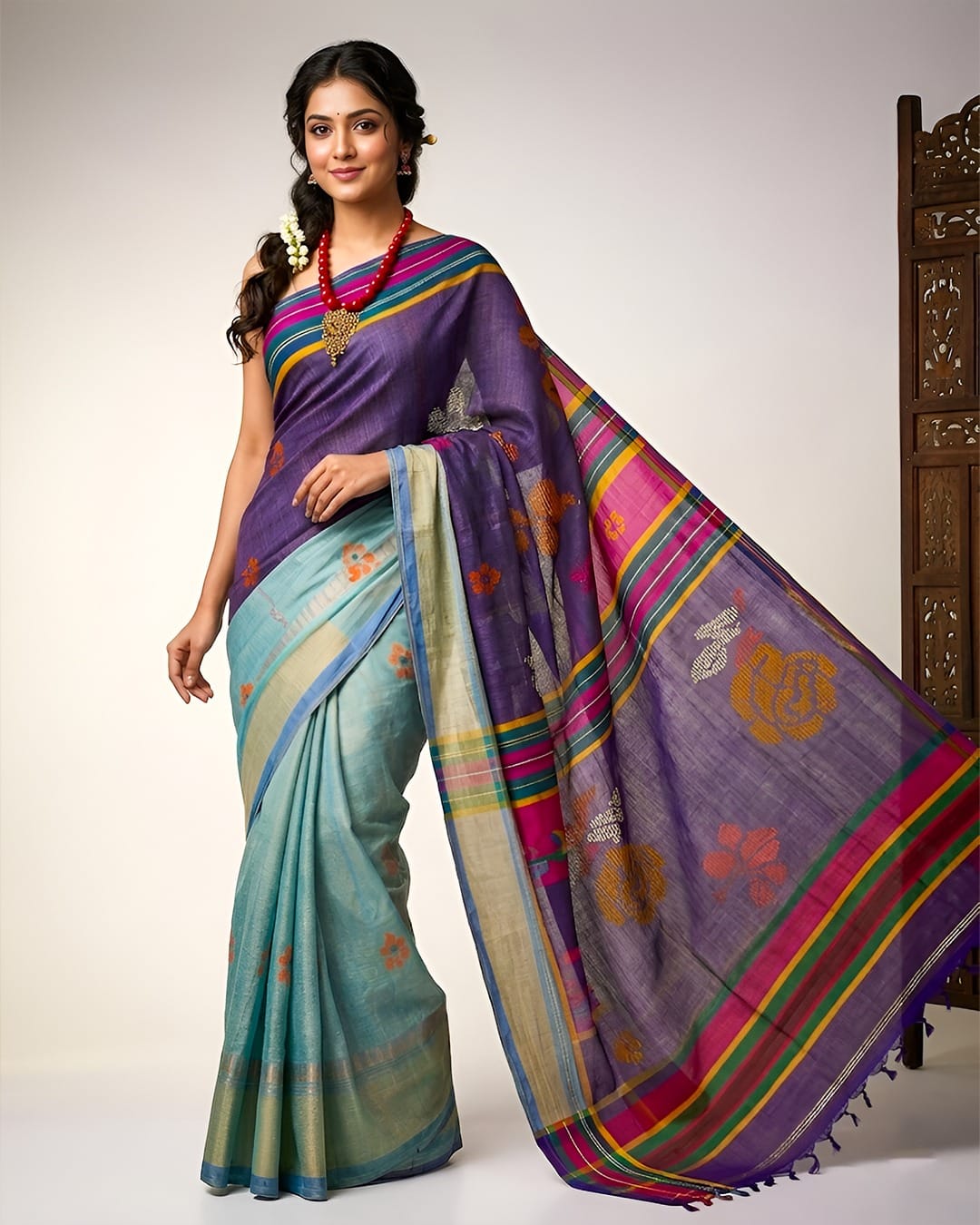
Butidar sarees display small woven motifs, known as butis, scattered across the fabric. The motifs may be floral, paisley, or geometric in design.
Tanchoi
Tanchoi weaving creates intricate patterns directly within the fabric using multiple coloured silk threads, resulting in a smooth reverse side without extra floating threads.
Meenakari
Meenakari work incorporates colourful silk threads into zari designs, adding vibrant contrast and enhancing the richness of the saree.
Shikargah
Inspired by Mughal art, Shikargah motifs depict hunting scenes featuring animals, riders, trees, and elaborate landscapes.
Frequently Asked Questions
How can I identify a genuine handloom Banarasi saree?
Check the reverse side for loose threadwork and look for a Silk Mark certification or GI tag. These are strong indicators of authenticity.
Is Katan Silk better than Banarasi Georgette for weddings?
Katan Silk is ideal for traditional weddings because of its rich structure and luxurious finish. Banarasi Georgette is lighter and more comfortable for humid weather and long celebrations.
Can I buy an authentic Banarasi saree online?
Yes. Purchase only from trusted sellers who display detailed product images, weaving information, certifications, and transparent return policies.
How much does an authentic Banarasi silk saree cost?
A genuine handcrafted Banarasi saree generally starts around ₹8,000, while heavily woven bridal and collector pieces can exceed ₹50,000 depending on the craftsmanship and zari work.
Final Thoughts
Understanding Banarasi weaves, fabrics, and traditional motifs makes shopping much easier. Instead of focusing only on appearance, evaluate the craftsmanship, weave quality, fabric, and authenticity. Investing in a genuine Banarasi saree means owning a timeless piece of Indian textile heritage that can be treasured for generations.
Related Products
- Pure Katan Silk Banarasi Saree in Red and Gold – Handloom, GI Certified.
- Banarasi Georgette Saree with Butidar Motifs – Lightweight and elegant for festive occasions.
- Tissue Banarasi Saree with Meenakari Border – Perfect for bridal and celebration wear.