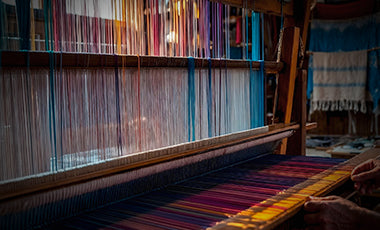
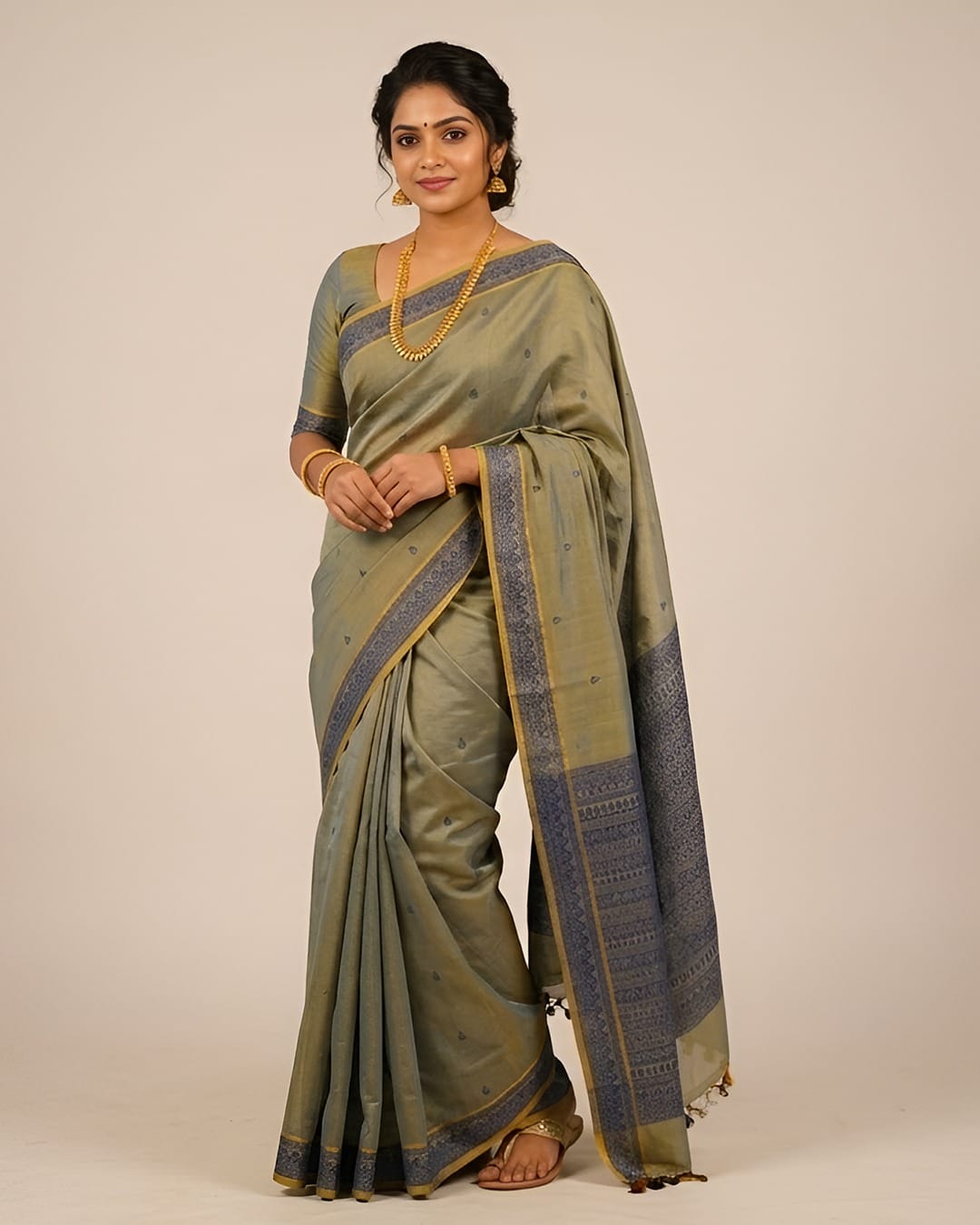
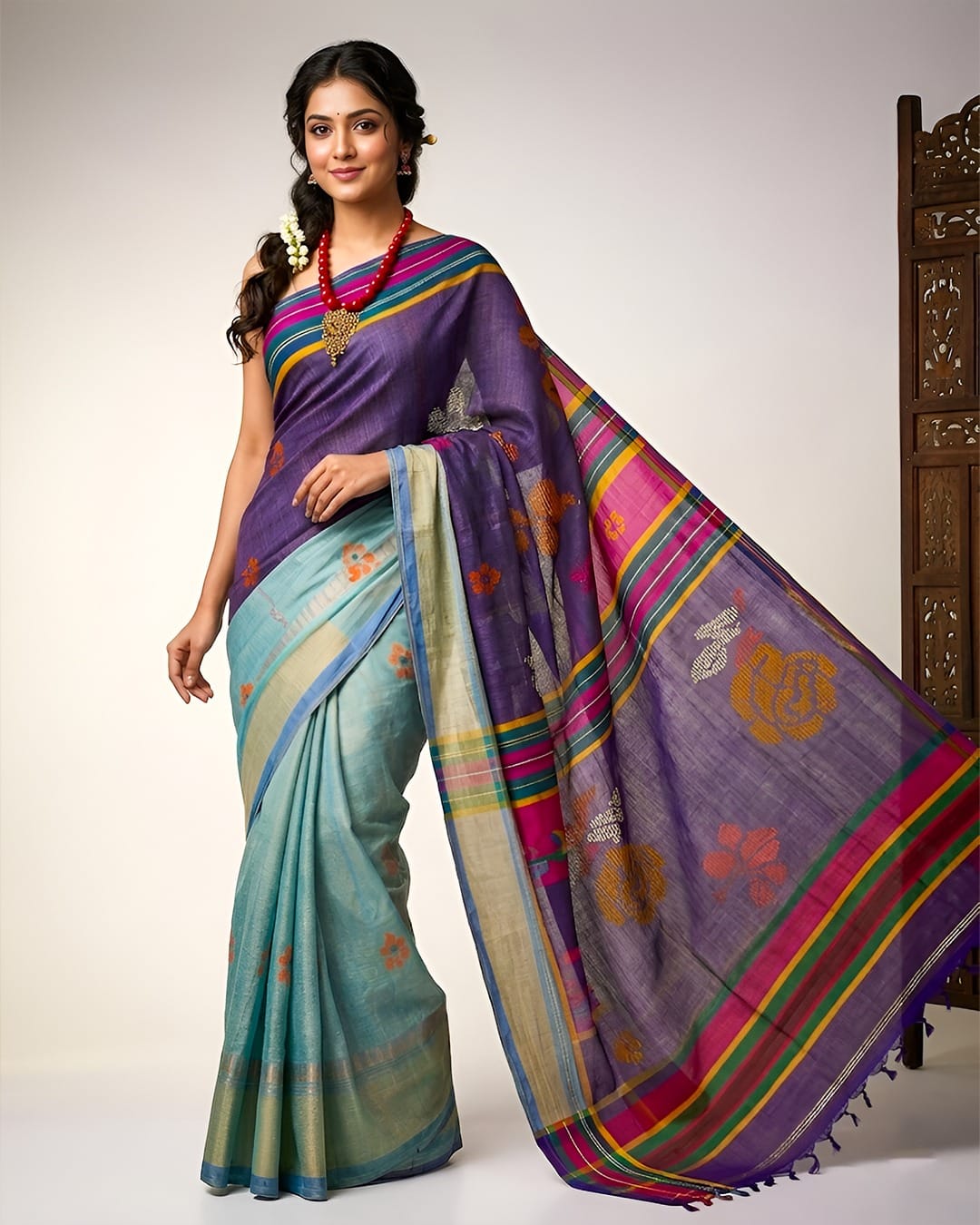
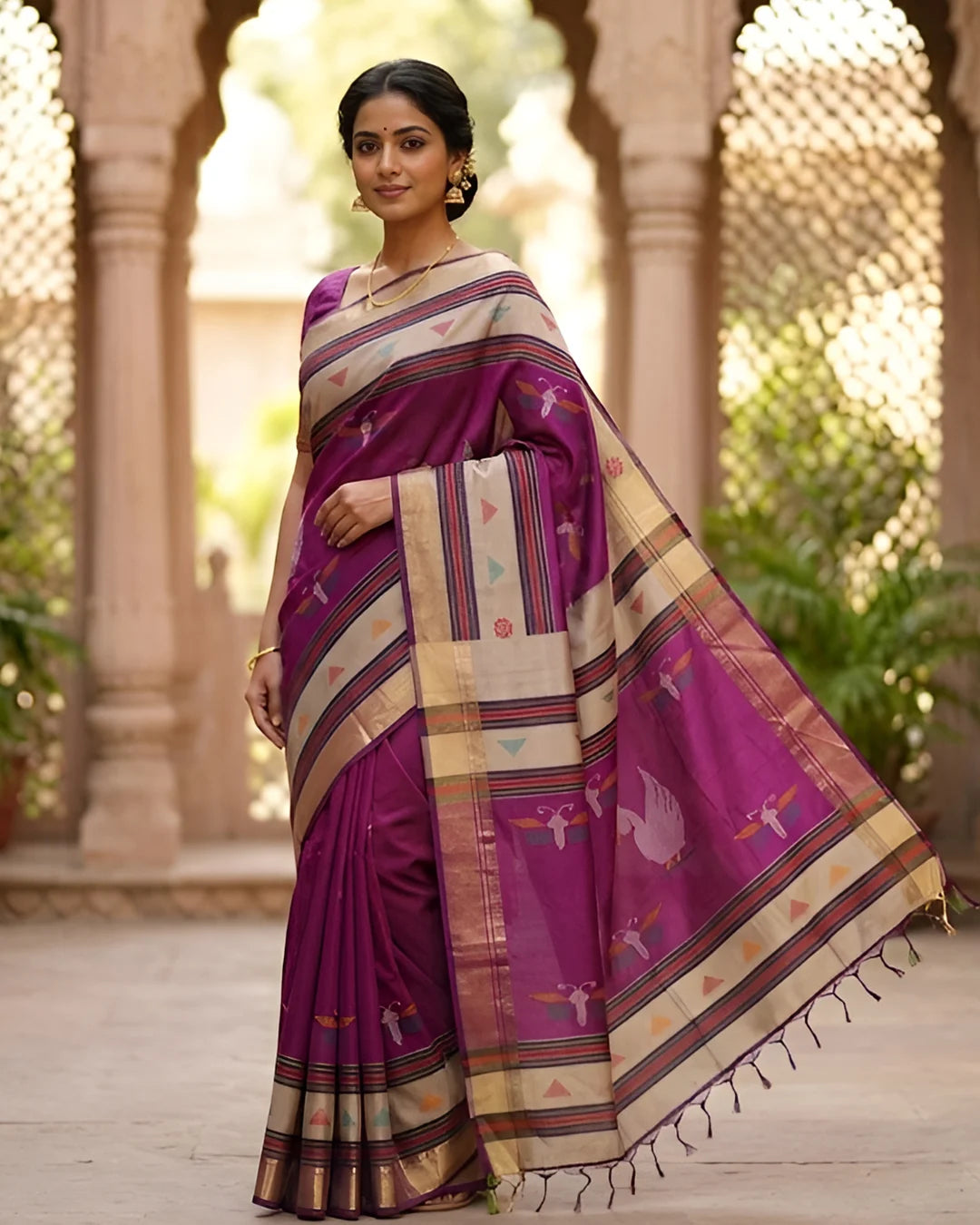
Here's something that surprises most people the first time they hear it: Banaras doesn't grow silk, and it doesn't grow the betel leaf (paan) it's equally famous for. Both are known worldwide as distinctly "Banarasi" — and neither one actually originates there.
It was never about the raw material. It's about the making.
Our weaving partner put it simply: the silk comes from elsewhere (traditionally from regions like Bihar), and the betel leaf comes from Bombay. What makes both genuinely "Banarasi" isn't where the raw ingredient grew — it's the technique, the craft, the specific way of making that only happens in Banaras itself.
The same silk thread, woven anywhere else, isn't Banarasi silk. The same betel leaf, prepared anywhere else, isn't Banarasi paan. It's the hands, the method, and the place the transformation happens that earns the name — not the origin of the raw material.
Why this matters when you're buying "Banarasi"
This is worth remembering the next time you see a saree labeled Banarasi: the label refers to a technique and a lineage of craftsmanship, not simply a supply chain. That distinction is exactly what separates genuine Banarasi weaving — passed down through generations of artisans in that specific region — from a similar-looking piece woven elsewhere and given the name anyway.