Frequently Asked Questions.
Handloom sarees are hand-woven, hence time and labour-intensive. They are made from pure, natural fibres. Power loom sarees, on the other hand, are machine-made and mass-produced, which costs comparatively less. A handloom saree can take 15 days to a month to complete, whereas a 3-5 powerloom saree can be made in a day.
This is the primary difference between handloom vs power loom sarees.
Yes, Chanderi Sarees, due to their fine weave and breathable silk-cotton blend fabric, are very lightweight, making them a good option for summer wear.
On houseofsodesii.com, we provide 4-5 pictures of the same product from different angles. We also encourage a video call to show the actual product to our customers if they wish. Moreover, some sarees carry the GI Tag, Silk Mark, and Handloom Mark. Before purchasing, you may go through all this information, or connect with us on WhatsApp at our number to learn more about your purchase.
Remember, a genuine handloom shows some irregularities.
Maheshwari sarees originate from Maheshwar in Madhya Pradesh while Chanderi Sarees are from Chanderi in MP, India. Both these are made of silk and cotton blend; however, Chanderi sarees are 30 to 40% lighter due to their fine weave, which creates a sheer, feather-light feel. Hence, Chanderi sarees are lighter and more comfortable to wear in humid conditions.
The best way to buy handloom sarees online, safely is to shop them from reputed websites only such as HouseOfSoDesii.com. The next thing you should do is look at the price. Handloom sarees, due to their intensive process of making are expensive and if you are getting something for 1/3 rd the price, please be vigilant and know that it is not the real thing.
At House of Sodesii, all products are sourced directly from the weavers. Our USP is to take inventory from places of origin, from weavers and their families. Our collection of Bhagalpur silk sarees and Kota Doria sarees come with GI Tag.
We have our store in Noida, in case you wish to visit you will need to book an appointment with us. We can show you the actual saree to satisfy you.
Textiles that are handwoven by expert artisans of Maheshwar, Madhya Pradesh in India are popularly known as Maheshwari Sarees. A blend of fine silk and cotton yarn, these are lightweight sarees with distinctive reversible pallus, narrow borders and vibrant motifs. The breathable fabric and airy weave of Maheshwari sarees for daily wear is a great option.
Wondering how to test if a saree is pure silk or not? Use these three parameters:
1. Slide the fabric through a ring. If it goes through with ease, it’s real silk, which has a very fine weave.
2. Real silk is great at absorbing water so if you drop water and it gets absorbed gradually, you’ve got the real deal.
3. When burnt, real silk will become crumbly ash like hair, while the synthetic variant will smell like plastic
Silk sarees need gentle handling, minimal washing and protective storage to preserve their fibres, sheen and colour. Dry cleaning pure silk sarees is a good option especially for the first wash. At home, make sure to wash them by hand using cold water and mild detergent. Air dry them in a shaded area only, to avoid colour fading out or weakening the silk. Iron on the reverse side using low heat settings or silk mode. You can also use a cotton cloth barrier to avoid losing its sheen and prevent burns. Using a steam iron is also a good option. Storing them in breathable muslin or cotton cloth/bags is advised. Keep them in a cool, dark place with silica gel or neem leaves to keep insects at bay and moisture away.
There are several different pure silk saree weaves in India each from a different state
such as:
● Kanchipuram: Kanchipuram also known as Kanjivaram has originated from Tamil
Nadu, India. It is a thick mulberry silk woven in three shuttles with contrast borders
and temple motifs.
● Banarasi silk weave: From the state of Uttar Pradesh comes the famous Banarasi
silk that has a brocade with beautiful zari work, floral/paisley patterns in Katan (pure silk) style.
● Paithani: Maharashtra’s famous silk saree – Paithani has a fine weave with gold zari, peacock/floral motifs.
● Patola: From the state of Gujarat comes the Patola silk with double ikat weave and geometric designs.
● Gadwal: Andhra Pradesh’s Gadwal silk is famous for its contrast borders.
● Tussar or Bhagalpuri: Odisha and Bihar’s silk fabric variant is textured with a natural gold hue making it unique.
A common question most customers have is ‘how to wash cotton sarees’ It is recommended to soak new sarees in cold water for their first wash and add a tablespoon of salt for 10-15 minutes. This helps set the dyes and prevents colour bleeding. Avoid soaking for long hours and rinse thoroughly.
Hand wash is advised with mild detergent to preserve the life of the fabric. When drying, squeeze the excess water out and air dry flat or hanging in shade. Avoid direct sunlight as it may fade out the colours.
Wondering what Kerala Kasavu saree is? Kerala’s iconic off-white saree with a golden zari border is called Kasavu saree. It is a cotton handloom saree that symbolises purity and prosperity, worn on festivals like Onam and Vishu. It is worn with a matching petticoat and blouse. The plain end of the saree is tucked around the waist with the gold border visible. Then neat pleats are created in the front and tucked in.
A pallu is draped over the left shoulder to fall above the knee. This is a simple yet elegant drape and is often paired with matching gold jewellery to complete the look.
The most comfortable sarees for working women to wear all-day would be sarees made of cotton, linen or cotton-silk blend fabrics such as Maheshwari or Chanderi. Cotton has excellent absorption qualities and is ideal for humid climates and long work hours. Linen on the other hand is crisp, airy and doesn’t cling which makes it apt for professional settings. Blended fabrics are lightweight and thus easy to wear on a daily basis.
The best saree colours for office or workplace are muted neutrals and subtle prints that are elegant and provide a polished, distraction-free look. Neutrals like whites, beige, grey,
navy, charcoal and olive green are soothing colours that look good in a professional setup.
Muted pastels such as dusty rose, safe, and mauve are also great options. If wearing prints, choose small, orderly motifs like dots, thin stripes, or minimal butis. Bold patterns and loud colours should be avoided.
Maheshwari and Chanderi Sarees for office wear are great options. They are both lightweight and comfortable to wear for long hours. Their elegant drape is also suitable for professional settings with an airy feel.
Banarasi sarees are long known for wedding wear with its opulent brocade zari. Sarees from Banaras come in many different weaving styles and fabrics, that are easy to wear and carry in all seasons. Mulberry silk, Chinia Silk, Katan Silk, Mushru silk, Tussar silk, Kora silk are some known varieties with Jangla weave, Tanchoi, Kadua weave, Phekua weave seen in wedding collection of curated Banarasi sarees. Other alternatives are Paithani with the shining gold weaves.
Handloom sarees are the best gifts in India because they carry with them a legacy of Indian craftsmanship and a deep cultural symbolism. They are also meaningful gifts with high durability, promoting regional heritage and traditions that have been passed down through generations. Handloom sarees are truly an emotional heirloom as they are made with natural fibres through labour-intensive handweaving that makes each saree unique in itself.
Every handloom saree holds a special story.
How much to spend on a saree as a gift depends on several factors such as what is your
budget? Which saree are you considering as a gift and more. A handloom saree is priced at Rs. 5,000 to Rs. 25,000 on an average, depending on the fabric and the work on it. Affordable cotton variants too start at Rs.3000 while premium silk sarees like Kanjivaram could be priced between Rs. 15,000 to 25,000. At House of Sodesii, we run promotions from time to time to offer our best prices on handloom sarees for gifting and custom orders.
House of Sodesii vs other handloom saree brands is an ongoing debate and here’s why we rank higher. We are a niche handloom brand focused on affordable, high quality pure yarn weaves with traditional motifs. Our strength lies in our direct contact with artisans and classic designs that are missing from mainstream fashion. What we lack in scale and recognition, we make up for in value with high quality products making luxury handloom more affordable and accessible.
A Saree as a gift for someone in India is a wonderful idea. Before you make your purchase, consider the recipient’s style, body type, occasion and colour preferences. If you are looking for formal wear sarees, choose from Kanchipuram or Banarasi sarees and for casual, everyday wear pick either Chanderi or Maheshwari saree. For a milestone celebration, opt for the luxurious Paithani sarees.
Unique weaves like Baavan Buti from Bihar, Kasavu from Kerala, Iikal from Karnataka make for interesting handloom gifts, while Bhagalpuri sarees are evergreen sarees for one and all.
To know whether a saree brand sources directly from weavers or not, you should check the transparency and authenticity markets on the website. Other ways to verify are:
1. Weaver profiles, videos of looms and workshops or cluster locations.
2. Certifications such as handloom mark, silk mark or GI tags.
3. Transparency policies such as supply chain details, fair trade claims with pricing breakdowns and low MOQs signal direct links.
House of Sodesii started as a passion project where love for travel and sarees came
together. We take pride in traveling to interiors of India to source the saree from the place of
origin for our customers. One of our foundation pillars and philosophy is to share knowledge
about handloom sarees with our audience.
Handloom sarees price is higher than power loom sarees. This is because hand-made items cost more and handloom sarees are a labour-intensive product with premium raw materials. As the prices of silver and gold go up, the zari in sarees become expensive too.
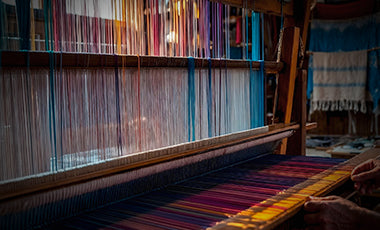
The term handloom refers to traditional Indian, handwoven sarees. These are woven by hand, on the loom that does not require any electricity, making it a time-intensive process.
Each handloom saree is different from the other, with minor irregularities that make it unique and is made using natural fibres such as silk, wool or cotton. These sarees are soft, durable, long-lasting and highly absorbent, which means it's good for your body too. Thus, the meaning of handloom sarees is simple - sarees that are handwoven and made from
natural fibres.
Handloom sarees are worth buying because they are woven by hand, on a loom, which is a time-intensive process. This process also uses natural fibres such as silk, wool or cotton that are expensive but long-lasting and durable. Plus, not only are the designs of these sarees beautiful, but also unique and often identical on both sides, which means they can be
used either way or both. Thus, handloom sarees are a total value for money.
It will never turn black, as it is crafted from pure silver that retains its original finish over time. No matter how often it is washed or used, it remains unchanged in both appearance and quality. In addition to its durability, it also holds strong value—offering a return of 20–30% of the original price, even if the piece gets damaged or breaks. This assured return is possible because only pure silver and pure gold are used, making it not just long-lasting but also a secure investment.
Fun Fact: Did you know you can sell silver or gold zari from an old saree? Yes, you can.
Look for the Handloom Mark on the tag. GI-tagged weaves come with a separate geographic indication certificate. Genuine handloom fabric has natural small irregularities in the weave and a warmth to its lustre that synthetic fabric does not have. When buying online, check whether the seller shares weaver details and origin information. That transparency is a good sign
Banarasi silk and Kanjivaram are generally at the top because of the real silk and zari involved. A detailed Banarasi can take one weaver several months to complete, which is reflected in the price. That said, a pure silk Chanderi or a fine Jamdani from a skilled weaver can also command serious prices. Sarees that have heavy zari work and fine weaving are expensive buys. Kota Doria is a royal saree from Rajasthan.