The festive season does not come once. From late October to January, India has one celebration after another. Karwa Chauth, Diwali, Bhai Dooj, Makar Sankranti and Pongal all fall within a few months. Each one asks for a different kind of dressing.
A fasting day needs comfort. A family lunch needs something easy. A temple visit calls for something calm and traditional. If you only plan colors, you can end up in the wrong saree for the day.
This guide goes through the main 2026 and early 2027 festivals one by one. It is saree-first, because a good handloom saree can do many jobs. Use it to plan one Indian festival outfit at a time, or to build a small festive wardrobe that works for all of them.
How to choose an Indian festival outfit
Start with three questions.
- What is the ritual? Fasting, sitting for puja, visiting a temple and hosting guests all ask different things of a saree.
- What is the light? Daylight shows colour. Evening lamplight loves deep shades and a little shine.
- Who will be there? Elders, friends, colleagues and children all change what feels right.
Answer these first. Then pick the colour, the weave and the extras.
Karwa Chauth (29 October): red, comfortable and ready for moonrise
Karwa Chauth is observed by many married women, who fast through the day and break the fast when the moon rises. Red is the most traditional colour. Maroon and deep pink work well too.
Dates are worth a check. Most calendars place Karwa Chauth on 29 October 2026, but one source lists 28 October. Moonrise falls between about 8 and 9 PM depending on your city.
You may be hungry and tired by evening, so comfort matters more than usual. Choose a saree that sits well without constant fixing. The Bandhej saree is a classic red example. It is premium silk in red with white Bandhani motifs and a gold zari border, made in Gujarat. A running blouse piece is included.
Pin your pallu well for the puja thali and for moon sighting, and carry a stole for the cooler evening air.
Dhanteras and Diwali (6 and 8 November): gold, yellow and rich colours
Dhanteras is a day for gold and yellow. Lakshmi Puja on 8 November asks for something richer, such as red, green or deep wine in silk.
We have written a full day-by-day plan in our Diwali saree ideas guide, so we will keep this part short. If you want to see festive options right now, start with the festive handloom sarees at House of Sodesii.
Bhai Dooj (11 November): bright, easy and family-ready
Bhai Dooj is about brothers and sisters, so the mood is warm and relaxed. It suits green, pink, orange or mustard. Choose a saree you can sit and eat in without worry.
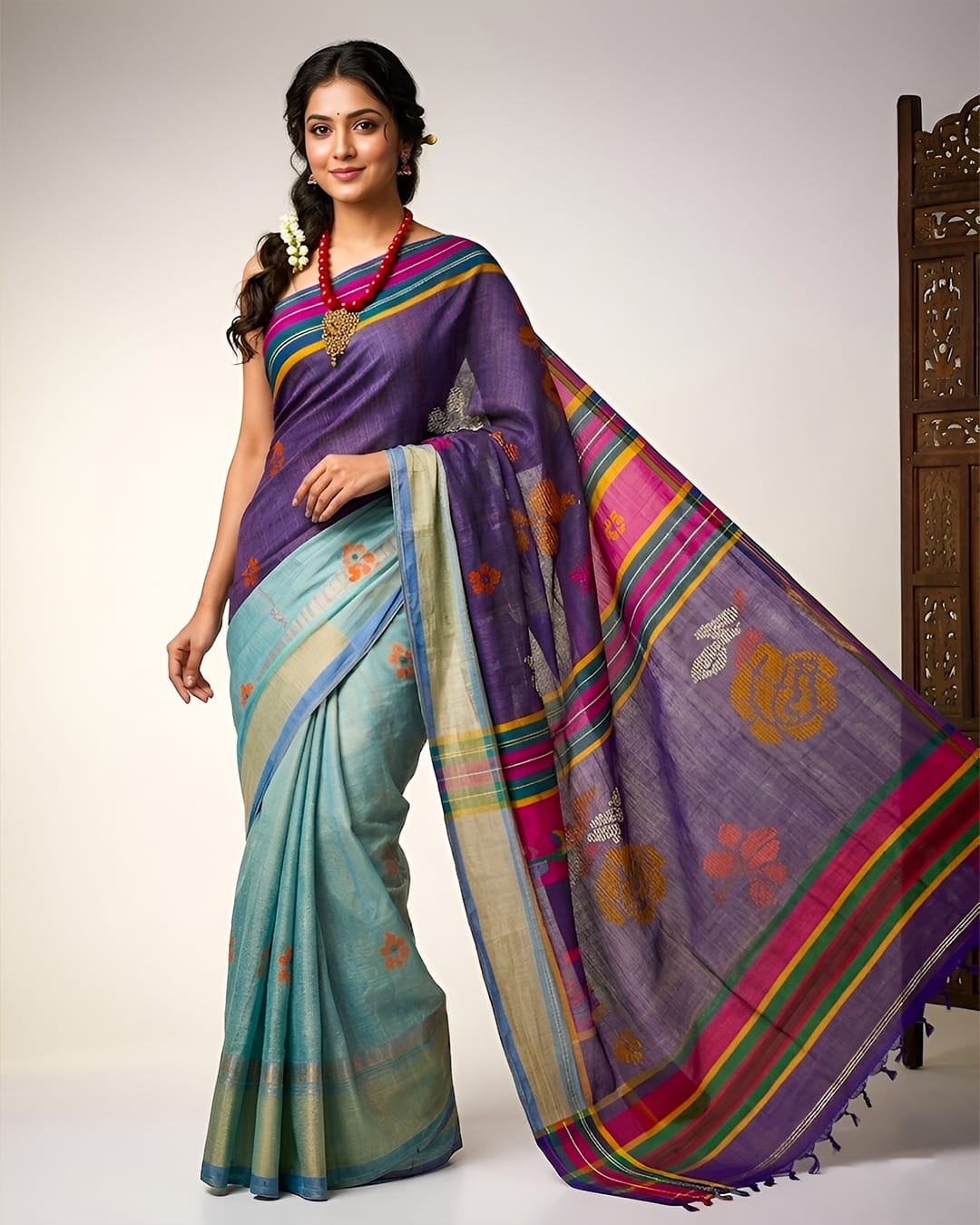
For a rich green, look at Touch of Class. It is a green pure Katan silk saree with a Kadua weave from Banaras, and the page lists family gatherings among its occasions. Add a blouse in gold or maroon for contrast.
If you are giving gifts, a dupatta is a small and easy choice. The Banarasi dupattas collection has them in several colours.
Bhai Dooj falls on 11 November in most Indian calendars and on 10 November in some.
Makar Sankranti and Pongal (14 and 15 January 2027): easy, bright and outdoors-friendly
Makar Sankranti is on 14 January 2027 in most calendars, with Thai Pongal on 15 January. Some panchangs place Sankranti on the 15th, so check your local one.
These days tend to be active. You may be cooking, visiting a temple or flying kites with family. Pongal is traditionally cooked at sunrise in an open space, so choose something you can move in, and keep your pallu pinned and away from the flame.
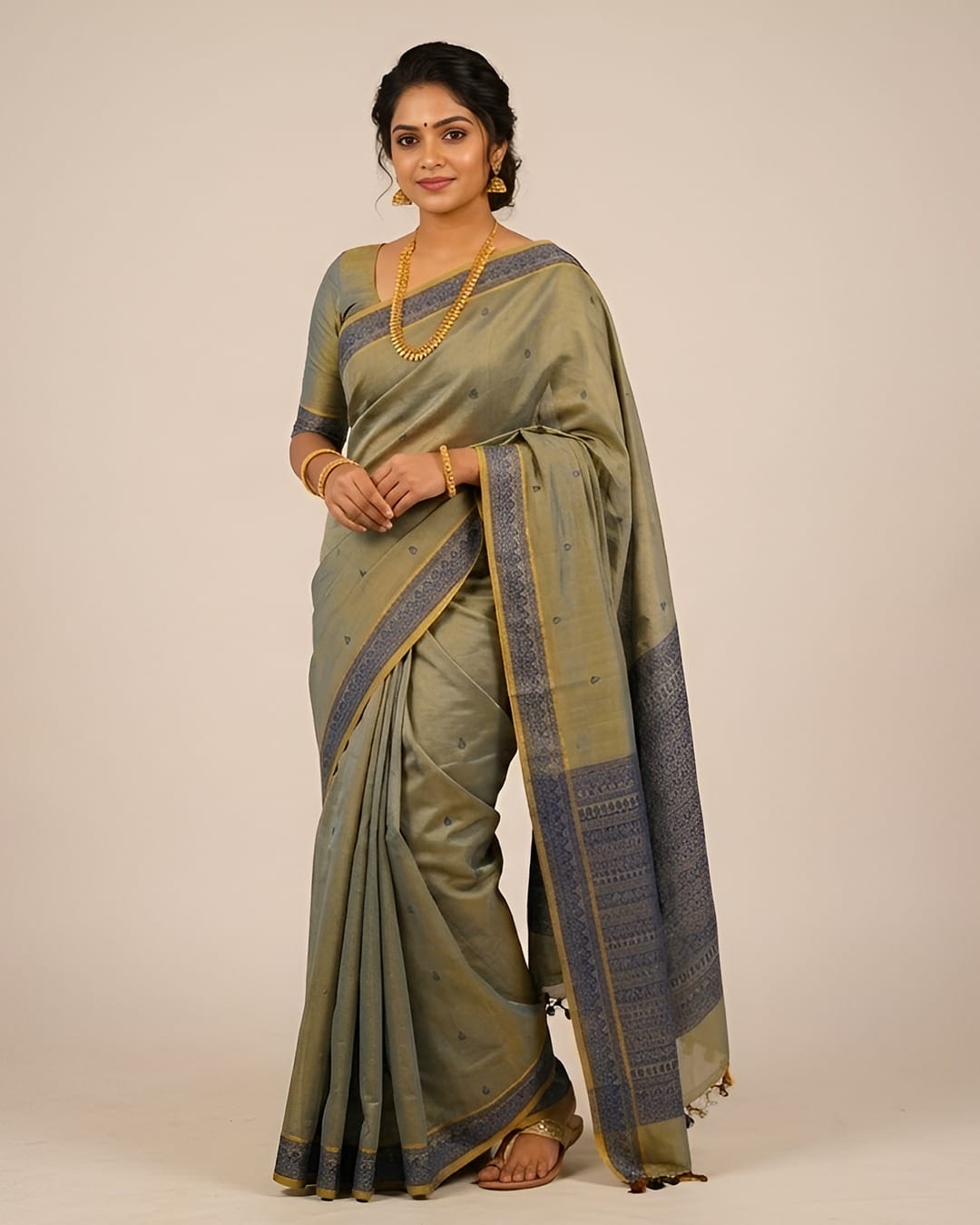
A light colour with a rich border looks festive without feeling heavy. The Jija Mata Border saree is ivory silk with gold zari accents, and the page lists temple visits among its occasions. Wear it with a bright blouse.
Customs and clothes differ by region and by family, so follow what your household does.
Regional touches worth knowing
- Kolkata: the main night of Diwali is celebrated as Kali Puja, so local plans may differ from the rest of north India.
- Gujarat: Bandhani is a craft from Gujarat, and it is a popular choice for festive dressing. You can browse sarees from Gujarat at House of Sodesii.
-
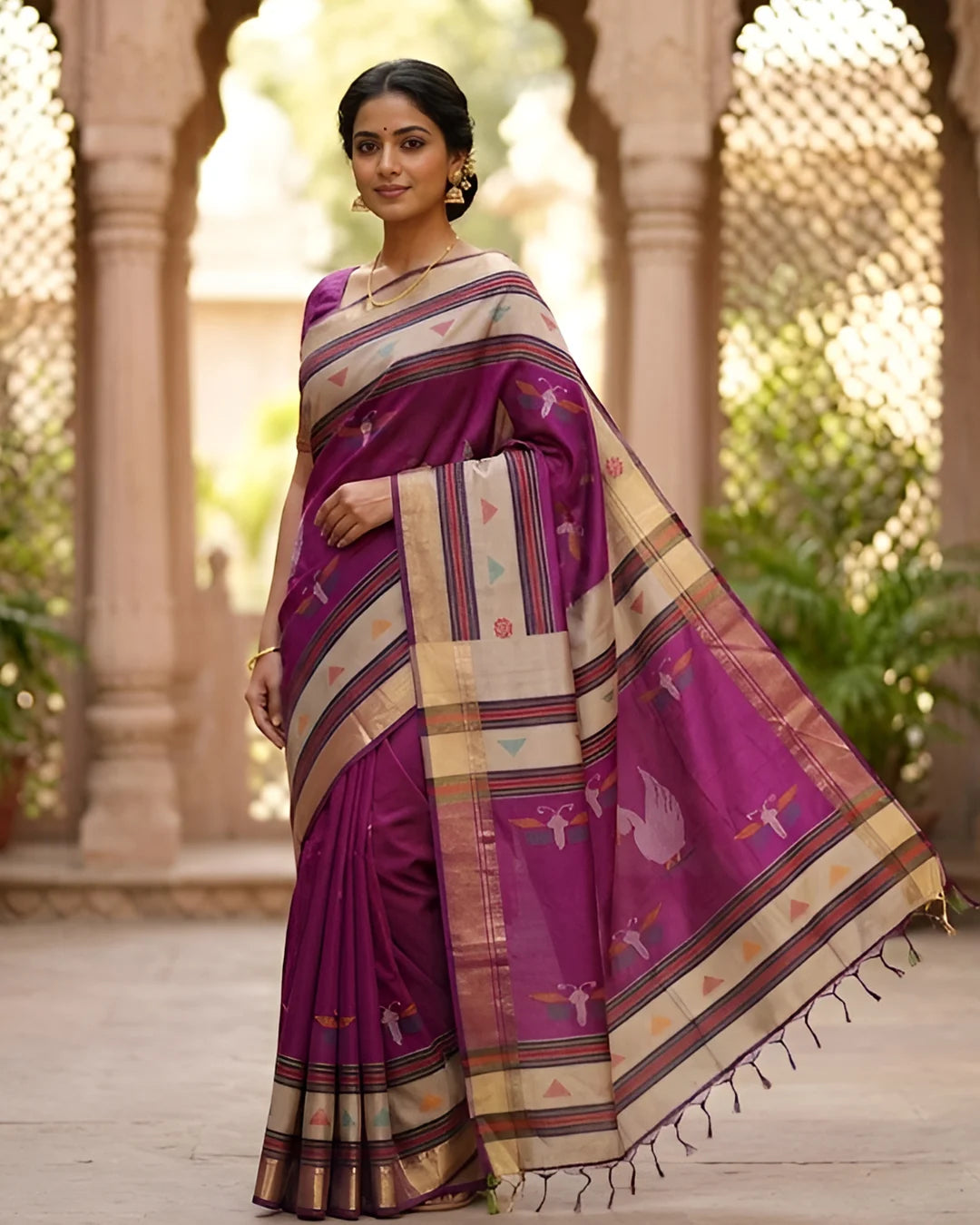
Kerala: ivory and gold shades echo the traditional kasavu palette often chosen for Kerala festivals. See the Kerala collection for weaves from the region.
Finish the look: dupatta, jewellery and bag
If a saree is not your pick for a given day, a suit or kurta set with a Banarasi dupatta follows the same color rules. For jewellery, keep to one statement piece. The beads collection has beaded necklaces and sets in many colors. A small potli bag holds the essentials and keeps your hands free.
Build a festive wardrobe from three sarees
You do not need a new saree for every festival. Three well-chosen ones can cover most of them:
- A red or bright saree for evening festivals such as Karwa Chauth and Lakshmi Puja.
- A light gold, yellow or ivory saree for daytime festivals such as Dhanteras, Govardhan Puja and Pongal.
- One rich silk for the biggest evenings and family weddings.
Change the blouse, jewellery and pallu drape between festivals, and each one will feel fresh.
If you are working to a budget, there are options at the lower end. At the time of writing, the Maheshwari Temple was priced at ₹4,000 and Haldi at ₹4,500. Beaded jewellery sets started around ₹2,000 and potli bags from ₹250. Prices can change, so check the product pages.
Quick checklist before each festival
- Try on your blouse at least a week before.
- Check the fall and pico on your saree.
- Pin the pallu and carry spare pins.
- Choose shoes you can stand in for hours.
- Pack a stole for the evening.
- Read the care instructions before you wash or dry clean a silk saree.
Indian festival outfit FAQs
What should I wear to an Indian festival if I do not wear sarees?
Kurta sets, salwar suits, lehengas and anarkalis are all common. The same ideas apply. Pick the colour for the festival, the fabric for the day, and keep it comfortable.
Which colours are safe across most Indian festivals?
Red, maroon, gold, yellow and green are widely worn. For a specific festival, check what your family follows.
How early should I order a festive outfit?
Leave at least a week or two. You will need time for delivery, blouse stitching, fall and pico.
Can I repeat an outfit at two festivals?
Yes. Change the blouse, jewellery and drape, and it will look different.
Dress for the day, not just the date
The best festival outfit is the one that suits the ritual, the hour and the people around you. Plan one festival at a time, and let your sarees do double duty. When you are ready to shop, the festive handloom sarees are a good place to begin.