From conversations with our weaving partners
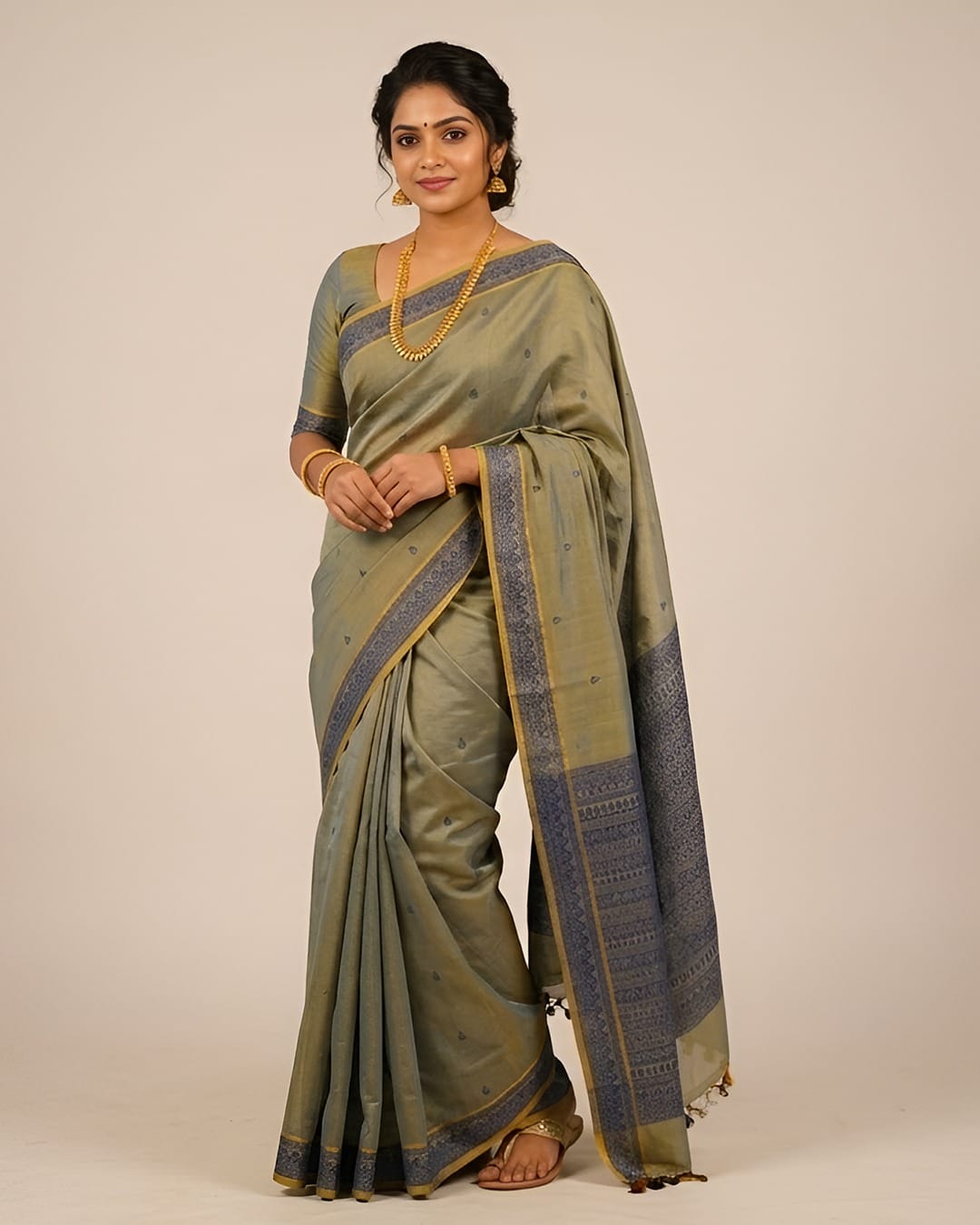
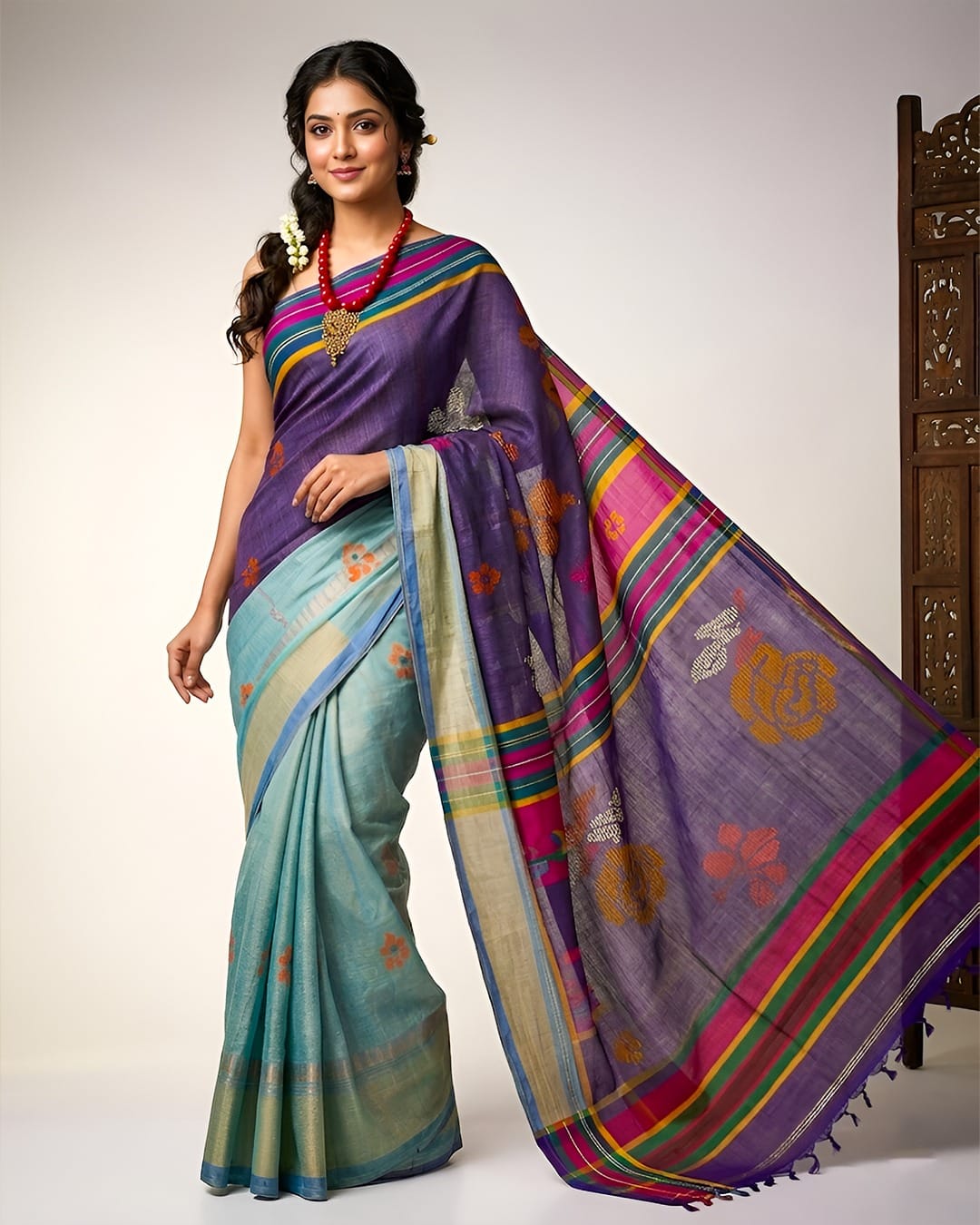
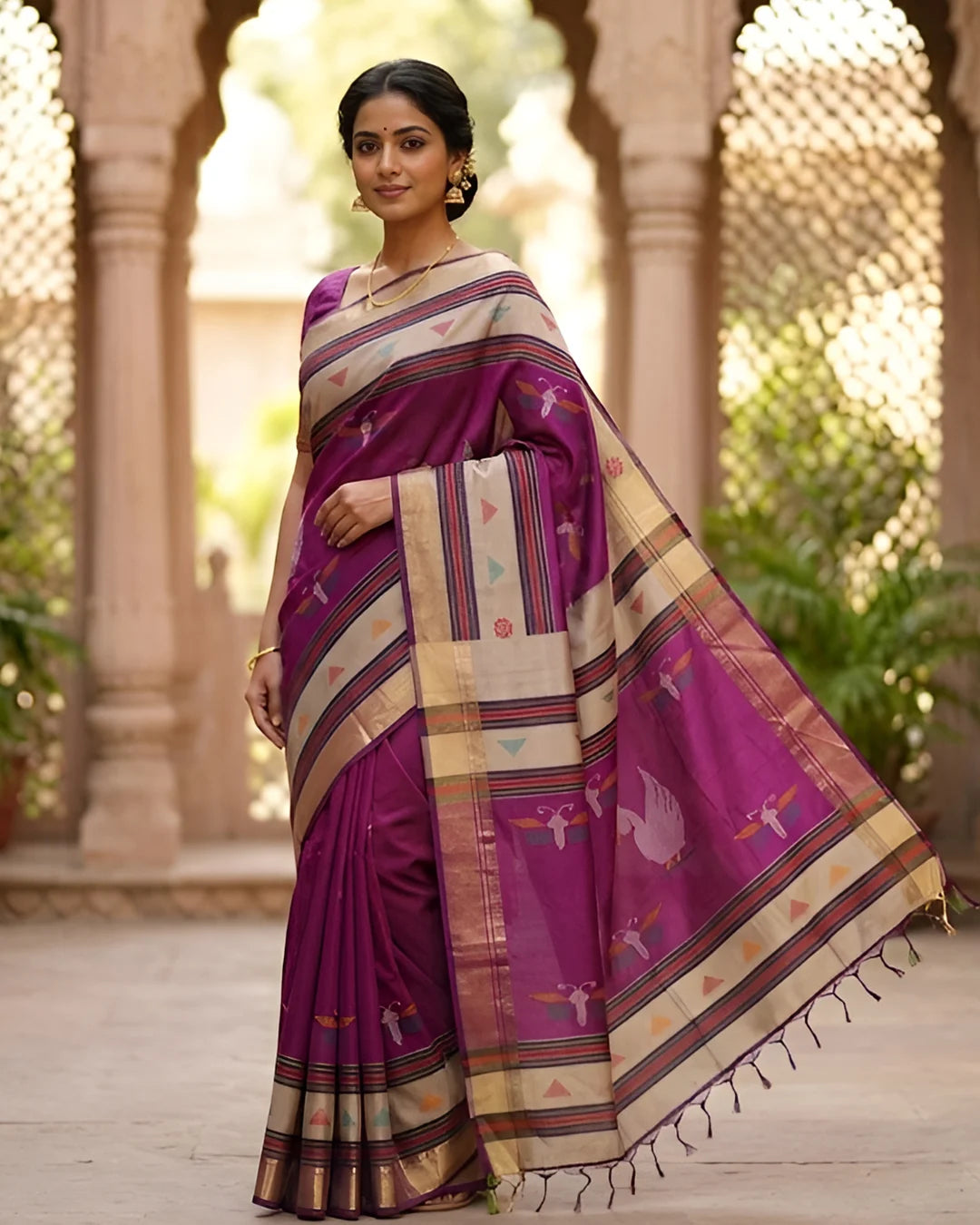
Maheshwari sarees have a reputation for being lighter, more everyday-wearable than some of the heavier silk traditions — but "lighter" doesn't mean quicker to make, or lower-maintenance to keep. Here's what actually goes into one, start to finish.
The real time behind a Maheshwari saree
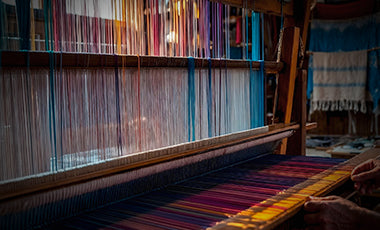
Not every Maheshwari saree takes the same amount of time — it depends on the design. A saree with detailed pallu work takes about two and a half days to weave. A simpler design, without the elaborate pallu, takes roughly one to one and a half days.
But "one day" is misleading if you picture it as a light workload. According to our weaving partner, a single day of weaving here means a continuous stretch of genuine, sustained effort — typically 14 to 16 hours at the loom to complete even the simpler version of a saree. That's closer to two full workdays' worth of focused, physical labor, compressed into one sitting. Even the "simple" Maheshwari sarees in a collection carry real, demanding hours behind them.
A caution worth knowing before you wash it
Care matters just as much as the weaving itself, and silk in particular needs specific handling.
Even a small water stain can spread visibly across silk — unlike many other fabrics, where a similar spot might dry unnoticed, water on silk tends to spread rather than stay contained in one place.
Because of this, our partner was direct: silk sarees should be dry cleaned, not washed at home with water or shampoo-based methods. It's a simple rule, but skipping it is one of the easiest ways to damage a piece that took real time and skill to make.
Why this matters
Two things are true about a Maheshwari silk saree at once. It takes far more sustained effort to weave than "a day or two" makes it sound — 14 to 16 hours of continuous work isn't unusual, even for the simpler pieces. And it takes real, specific care to keep it looking the way it was made to look, starting with one basic rule: dry clean it, don't wash it with water at home.
Respecting both of those facts is really just respecting the work that went into the saree before it ever reached you.