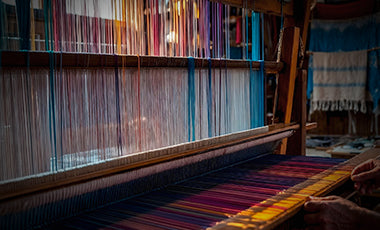
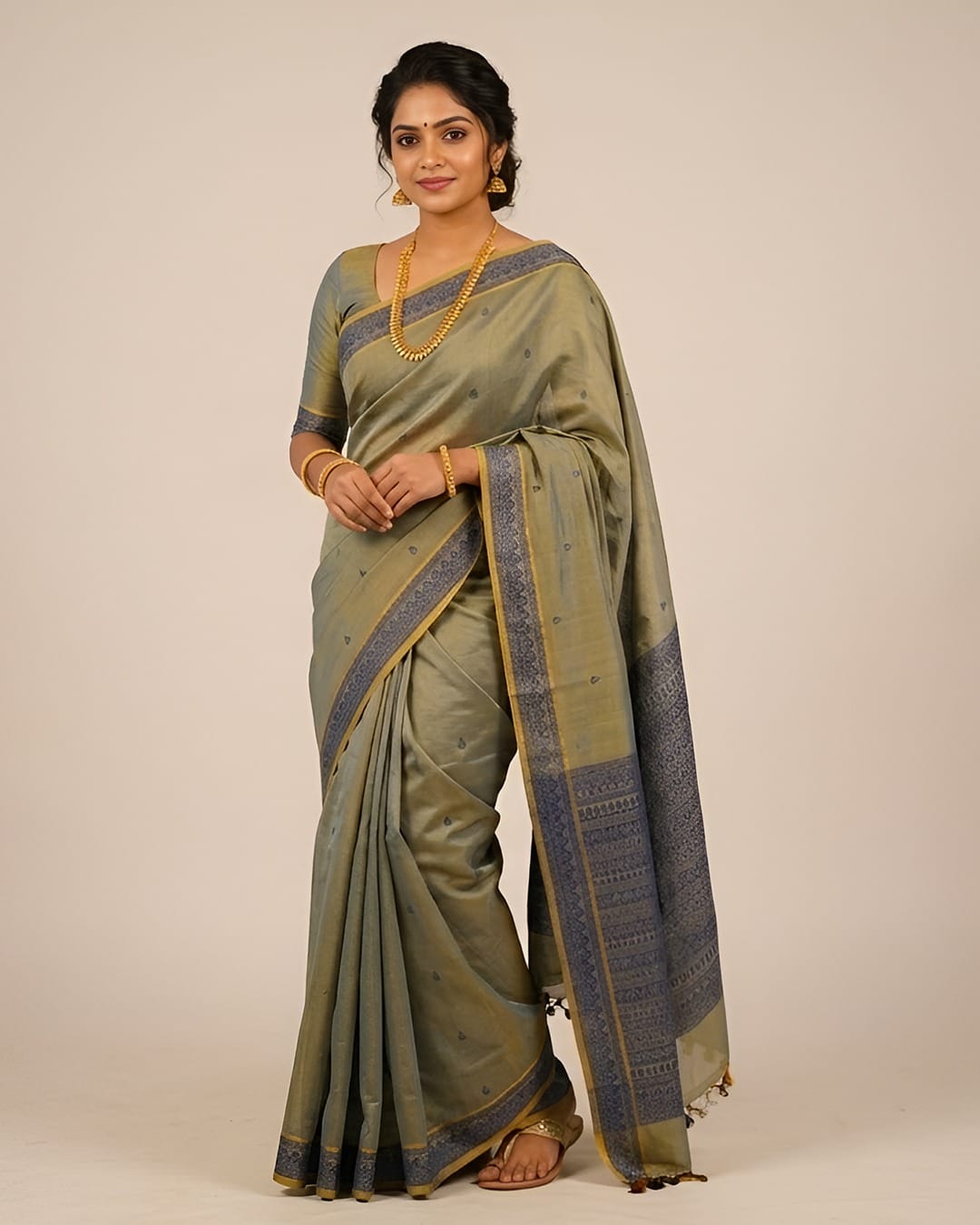
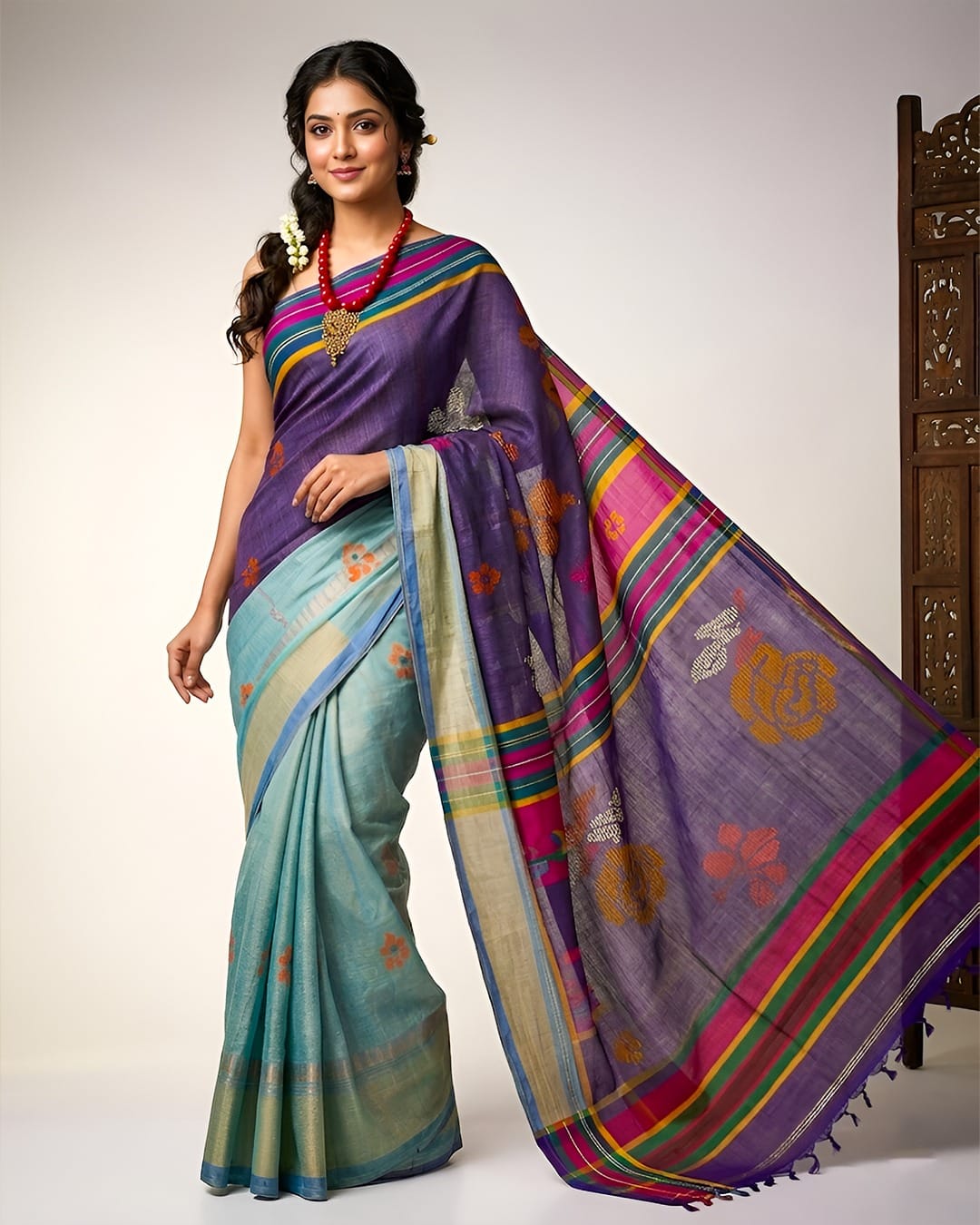
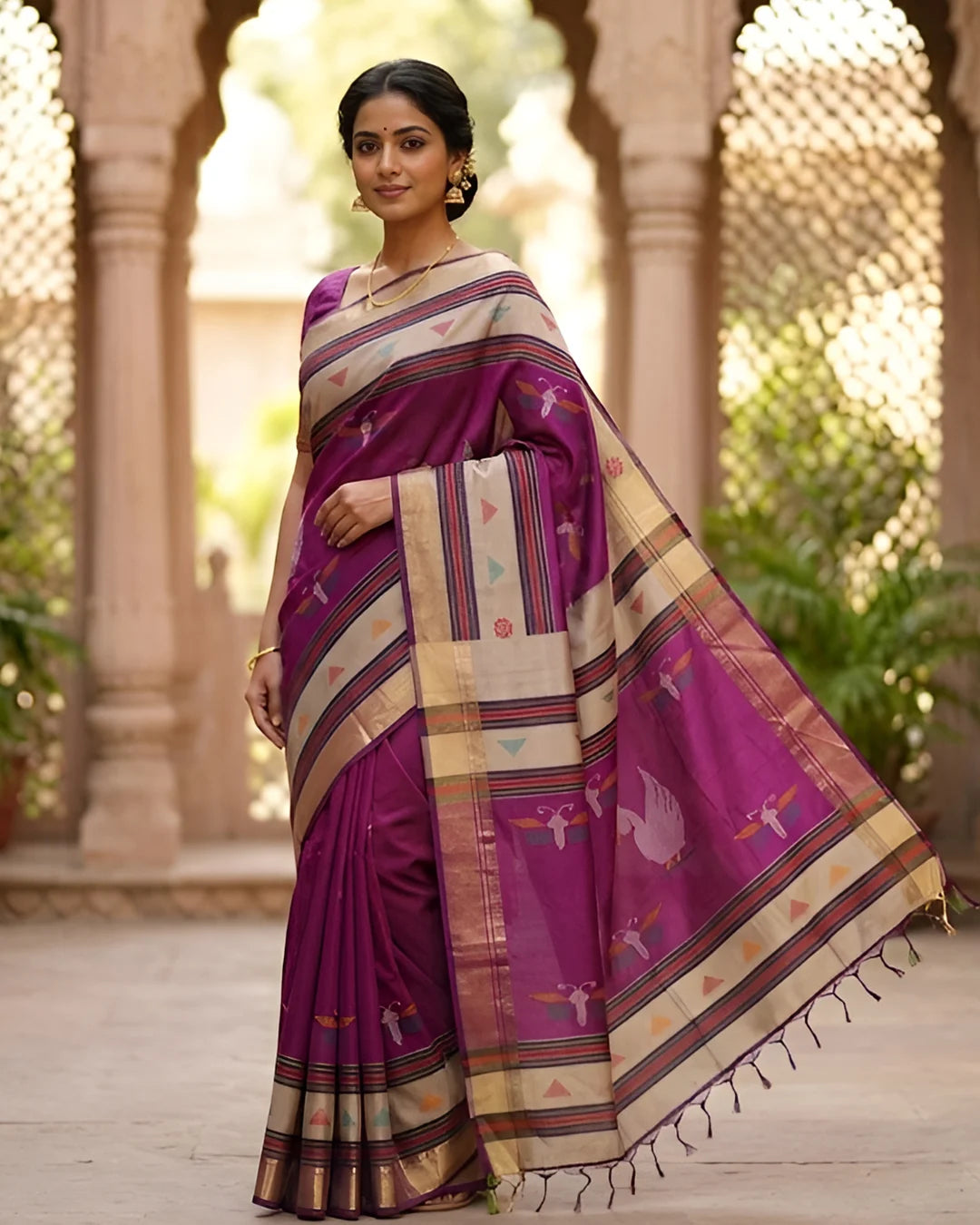
India's rich textile heritage is reflected in its regional handloom sarees. Every region has its own weaving techniques, patterns, colours, and traditions that have been passed down through generations. Understanding these regional sarees not only helps you appreciate their craftsmanship but also makes it easier to choose authentic handloom pieces. This guide introduces five beautiful Indian regional sarees, what makes each one unique, and how to identify genuine handloom craftsmanship. :contentReference[oaicite:0]{index=0}
What Makes Regional Handloom Sarees Unique?
Unlike machine-made sarees, regional handloom sarees are woven by skilled artisans using traditional techniques specific to their hometowns. The weaving style, motifs, border patterns, colours, and fabric are influenced by the local culture and history, making every regional saree distinctive.
Even when two sarees use similar materials, differences in weaving methods create unique textures, drapes, and finishes that cannot be replicated by mass-produced fabrics.
1. Ilkal Sarees (Karnataka)
Ilkal sarees originate from the town of Ilkal in Karnataka and are instantly recognised by their distinctive Kashti joining technique. The pallu is woven separately and then joined to the body of the saree, creating a visible seam that signifies authentic craftsmanship.
These sarees are commonly woven using cotton bodies with silk pallus and feature traditional temple-inspired borders in shades of red, maroon, and green.
2. Narayanpet Sarees (Telangana)
Narayanpet sarees are crafted in Mahabubnagar, Telangana, using a blend of cotton and silk threads. They feature contrasting borders, geometric patterns, and traditional colour combinations such as brick red, mustard yellow, ivory, and peacock blue.
These lightweight sarees are suitable for both office wear and festive occasions because they combine comfort with elegance.
3. Maheshwari Sarees (Madhya Pradesh)
Maheshwari sarees originated during the reign of Rani Ahilyabai Holkar in Maheshwar, Madhya Pradesh. They combine silk warp threads with cotton weft threads, creating a soft, lightweight fabric with a graceful sheen.
One of the defining characteristics of a Maheshwari saree is its reversible border and traditional five-striped pallu. Popular patterns include rudraksha motifs, checks, and geometric designs.
4. Madhubani Sarees (Bihar)
Madhubani sarees are famous for their hand-painted artwork inspired by the traditional Mithila art form of Bihar. Instead of woven patterns, artisans paint intricate motifs directly onto silk, cotton, or tussar fabric using natural dyes.
Common designs include lotus flowers, fish, birds, the sun, the moon, and scenes from Indian mythology. Since every design is painted by hand, no two Madhubani sarees are ever exactly alike.
5. Kota Doria Sarees (Rajasthan)
Kota Doria sarees are woven in Rajasthan using a cotton-silk blend with a signature square check pattern known as Khat. Their lightweight, breathable weave makes them one of the most comfortable sarees for warm climates.
Many Kota Doria sarees feature elegant zari borders, while others maintain a minimalist appearance that is perfect for everyday wear.
How to Buy Authentic Regional Handloom Sarees
- Look for Geographical Indication (GI) tags where applicable.
- Purchase from government-recognised handloom stores or certified weavers.
- Ask about the saree's weaving technique and place of origin.
- Remember that authentic handloom sarees require days or weeks to produce, which is reflected in their price.
Frequently Asked Questions
What is the difference between handloom and powerloom sarees?
Handloom sarees are woven manually by skilled artisans, while powerloom sarees are produced using machines. Handloom fabrics usually feature subtle variations that highlight their handmade nature.
Are Madhubani sarees woven or painted?
Madhubani sarees are hand-painted using traditional Mithila art techniques rather than being woven with decorative patterns.
Which regional sarees are best for everyday wear?
Maheshwari and Kota Doria sarees are excellent choices for everyday use because they are lightweight, breathable, and comfortable throughout the day.
How can I verify the authenticity of a regional saree?
Check for GI certification where available, purchase from trusted handloom sellers, and look for unique weaving characteristics that identify each regional style.
Final Thoughts
Regional handloom sarees represent India's remarkable weaving traditions and cultural diversity. Whether you choose the artistic beauty of Madhubani, the lightweight elegance of Kota Doria, or the timeless charm of Maheshwari, each saree tells a unique story of craftsmanship and heritage. Investing in authentic handloom sarees supports skilled artisans while adding timeless pieces to your wardrobe.
Recommended Products
- Kota Doria Cotton Silk Saree with Gold Border
- Maheshwari Silk Cotton Saree with Rudraksha Motifs
- Madhubani Hand-Painted Tussar Silk Saree