Most people have picked up a saree in a shop and had no real idea if it was handloom or not. That's pretty normal. Even folks who buy sarees all the time can get tripped up by the handloom vs powerloom question. Honestly, it’s not always by accident either; shops sometimes want you to be confused. Powerloom manufacturing has become so good that the difference isn’t obvious anymore.
The thing is, there are ways to tell. And once you know them, you stop getting fooled.
What Actually Goes Into Making Each One
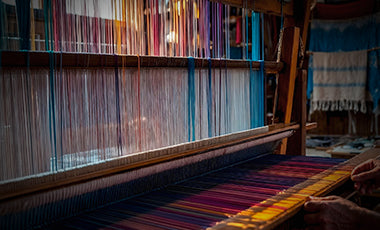
Making a handloom saree takes real time and effort. A Banarasi silk saree alone can take a weaver anywhere from two weeks to a full month. Every step is done by hand—from setting up the loom to fixing any hitches during weaving.
Because of this, genuine handloom sarees often have slight weaving inconsistencies. These aren't flaws—they're unique signs that the saree has been handcrafted.
Powerloom production runs on machines. A single machine can produce dozens of sarees a day, creating uniform patterns at a much lower price. Powerloom sarees certainly have their place, but selling them as handloom is misleading.
Cost Difference: A genuine Kanjeevaram saree usually starts around ₹8,000 and can go up to several lakhs, while a similar-looking powerloom version may cost around ₹1,200. The price difference reflects the craftsmanship involved.
How to Tell the Difference Between Handloom and Powerloom
1. Examine the Reverse Side
Turn the saree over and inspect the backside. Genuine handloom fabrics often have loose threads and a slightly rough finish because they are woven manually.
2. Feel the Texture and Weight
Real handloom fabrics feel softer and more breathable. Powerloom fabrics usually feel stiffer and have a shinier, perfectly uniform finish.
3. Look for the Handloom Mark
Check for the official Handloom Mark certification. Although not every artisan applies for it, its presence confirms authenticity.
4. Ask About the Origin
A genuine seller should be able to tell you where the saree was woven, whether it's from Pochampally, Chanderi, Kanchipuram, or another traditional weaving cluster.
5. Spot the Irregular Patterns
Inspect the weave carefully. Handmade fabrics usually have tiny variations in the weave, whereas machine-made fabrics appear almost perfectly identical throughout.
Famous Handloom Weaves Worth Knowing
Kanjeevaram
Known for its luxurious silk and rich zari borders, a genuine Kanjeevaram features a distinctive seam where the border joins the body of the saree.
Pochampally Ikat
Pochampally Ikat is famous for its hand-tied dyeing technique, producing beautiful geometric patterns with soft, blurred edges that machines struggle to replicate.
Jamdani
Every motif in a Jamdani saree is woven individually by hand, making it one of the most time-consuming and intricate weaving techniques.
Chanderi
Chanderi sarees are lightweight with an elegant sheen. Running your fingernail along the border can help identify an authentic handwoven piece.
Is It Worth Paying More for Handloom?
If you're looking for a saree that lasts for years, handloom is an investment worth making. The fabric becomes softer over time, absorbs dyes beautifully, and offers unmatched comfort. While a powerloom saree is ideal for daily wear, a handcrafted saree is perfect for special occasions and heirloom collections.
Frequently Asked Questions
Is powerloom always lower quality?
No. Powerloom sarees can be well-made and offer excellent value. The concern is only when they are sold as handloom products.
How do I buy genuine handloom online?
Buy from trusted sellers who provide weaving origin details, artisan information, and certification wherever available.
Can I wash handloom sarees at home?
Cotton handloom sarees can usually be hand washed gently. Silk handloom sarees should be dry cleaned, especially for the first wash.
What is the difference between handwoven and handloom?
Handloom refers specifically to fabric woven on a manual loom, while handwoven is a broader term that includes other handmade weaving methods.
Related Products
- Authentic Pochampally Ikat Saree – Directly sourced from Telangana weavers
- Handwoven Chanderi Cotton Silk Saree – Certified Handloom
- Organic Cotton Handloom Saree – Soft, breathable everyday wear