When you shop for Chanderi sarees online, the design names can feel like a puzzle. One saree says "ek naliya buti". Another says "all-over jaal work". A third mentions a "block print". They all look lovely in photos. But what do these words mean, and which design will suit you?
This guide explains Chanderi designs in plain words. You will learn how to read a design before you buy, and how to match it to your occasion. We use real sarees from the Chanderi saree collection at House of Sodesii as examples. Prices are as seen on 2 November 2026.
How Chanderi designs are made
Chanderi is known for its sheer, light feel and its gold zari borders and motifs. The Government of India's tourism portal says the Scindia royal family took Chanderi sarees under its patronage in 1910, and gold motif work on cotton muslin sarees began after that.
The designs sit on this airy base. The district handloom office in Ashoknagar, Madhya Pradesh, says the buti, the small motif, is made by hand, mainly with zari and mercerised cotton. That is why a good Chanderi design feels like part of the cloth.
Buti and boota: the small motifs
A small motif is called a buti. A large floral or decorative motif is called a boota. The same office lists several kinds of buti, including sikkad buti, ashrafi buti, and motifs of trees, plants, animals and birds. The ashrafi buti is often described as a gold coin style.
All-over buti: calm, but full of detail
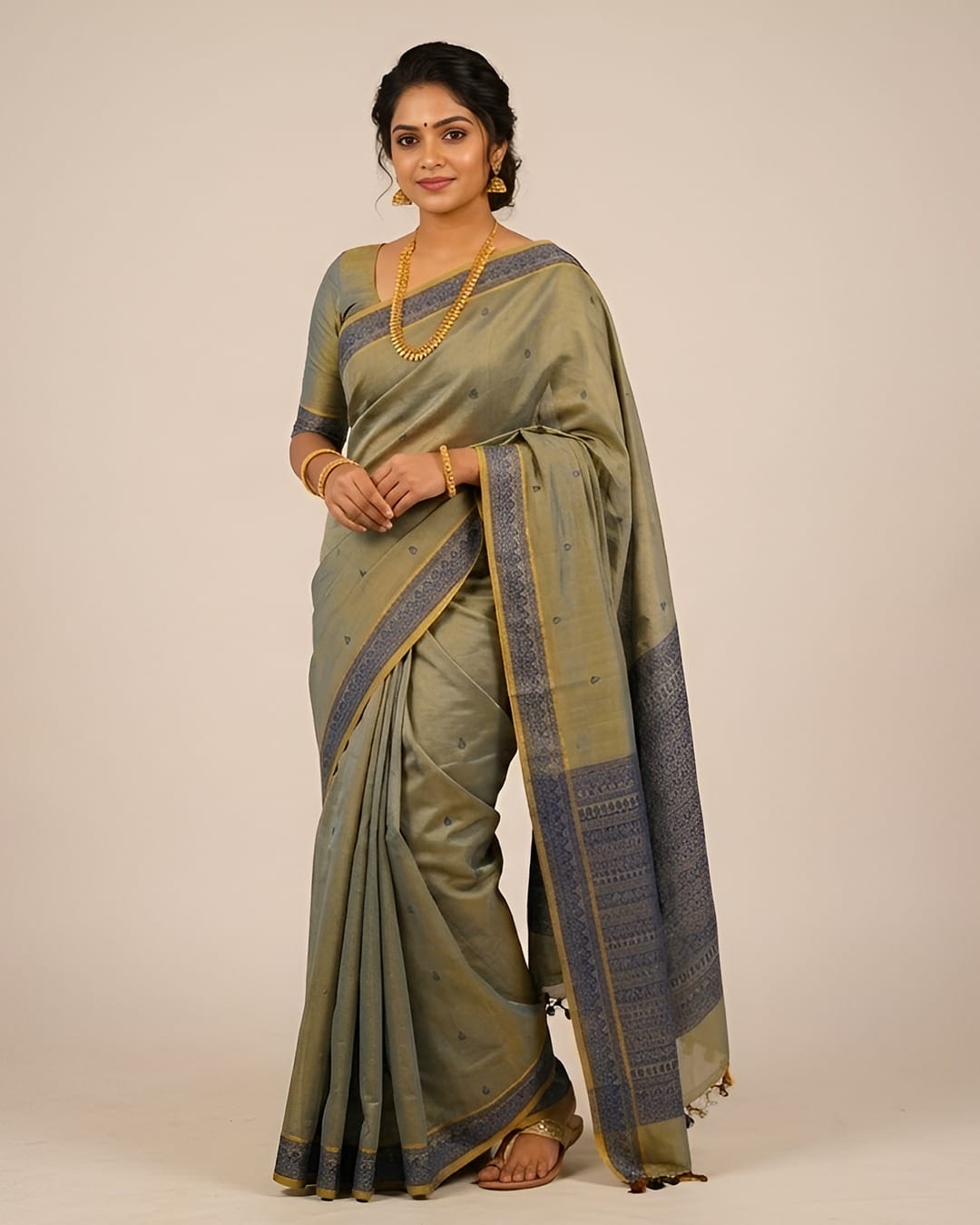
Lotus is a soft light pink saree in silk-cotton Chanderi. Its page describes a Mul Chanderi weave with an all-over butta pattern, and a lightweight feel with a subtle sheen. It costs ₹6,500.
An all-over buti looks quiet from far and rich up close. The page lists it for pujas, daytime celebrations, festive lunches and office occasions. See Lotus here.

Ek naliya buti: the raised, dense look
The handloom office describes iknaliya buti as made with a single-pick technique, which gives the motif a raised, embossed look and a dense buti pattern. You may see it spelled ek naliya, eknaliya or iknaliya.
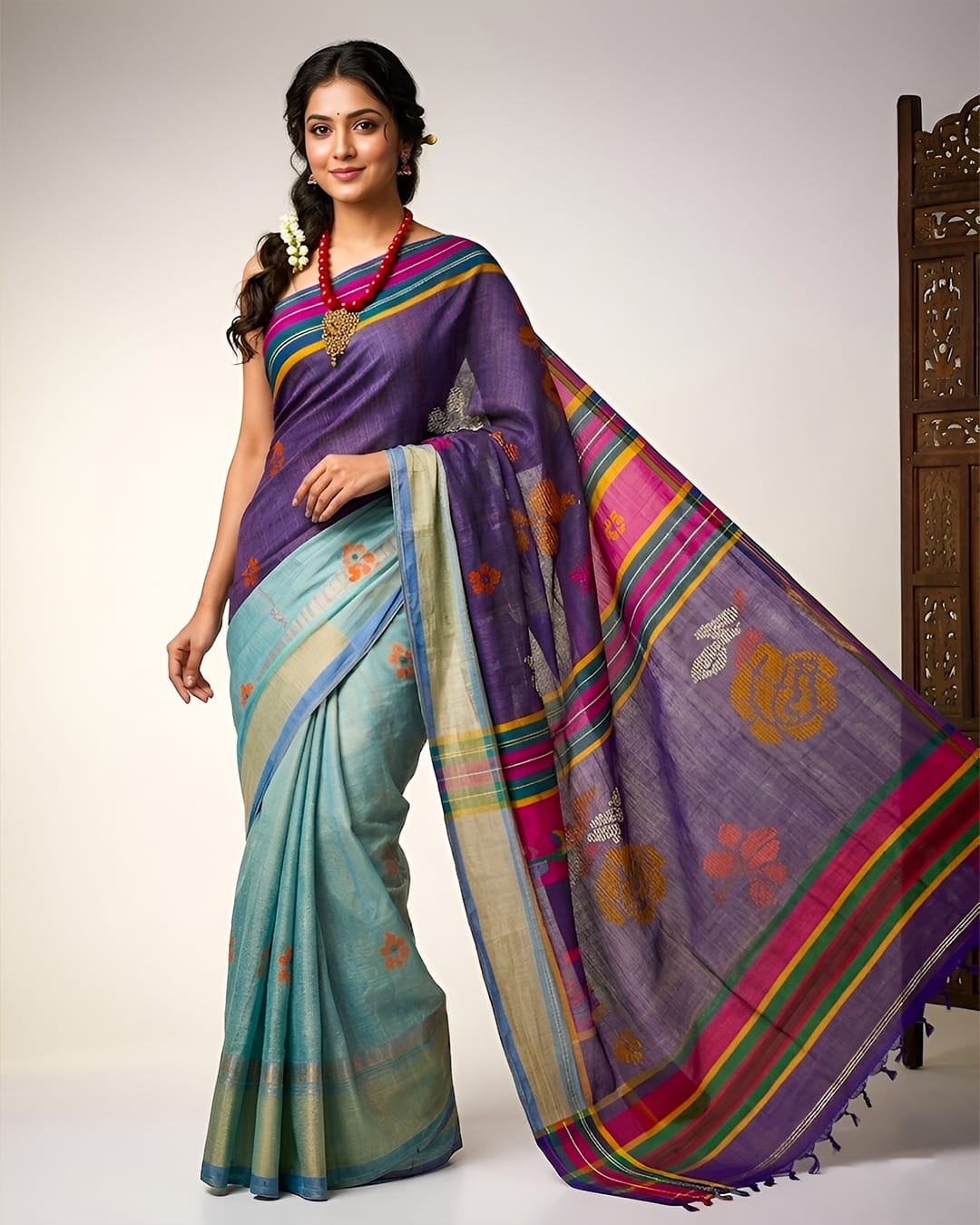
At House of Sodesii, the Bespoke Luxury saree is listed as a green Ek Naliya Buti saree. The page lists the fabric as pure silk and the origin as Chanderi. The price is ₹15,000. It suggests weddings, festive celebrations and traditional ceremonies. The page suggests traditional jewellery and a complementary blouse, which is good advice for a richly worked saree.

Jaal work: an all-over net pattern
Jaal means a net. In a jaal design, the pattern spreads across the whole body, so there is little plain space.
The All over shikargah jaal work saree is listed as Chanderi silk. The page describes gold zari florals with silver booti accents and a broad gold zari chevron border. It costs ₹17,000 and is listed for bridal, festive and wedding wear.
Because the body is already busy, keep the blouse simple and let the saree lead. If you are new to Chanderi, a jaal saree is a bigger statement than a scattered buti.

Borders: read the edges too
A design is not only the body. The border changes the whole mood.
- Zari border: The tourism portal lists the gold zari border as one of Chanderi's striking features.
- Contrast border: The handloom office describes a style with a pure silk border on a katan silk base.
- Chevron border: The shikargah jaal saree above has a broad gold chevron.
- Woven zari border: The Mustard Field saree (below) has one.
A simple rule: the broader and richer the border, the more formal the saree feels.
Block print on Chanderi: a lighter choice
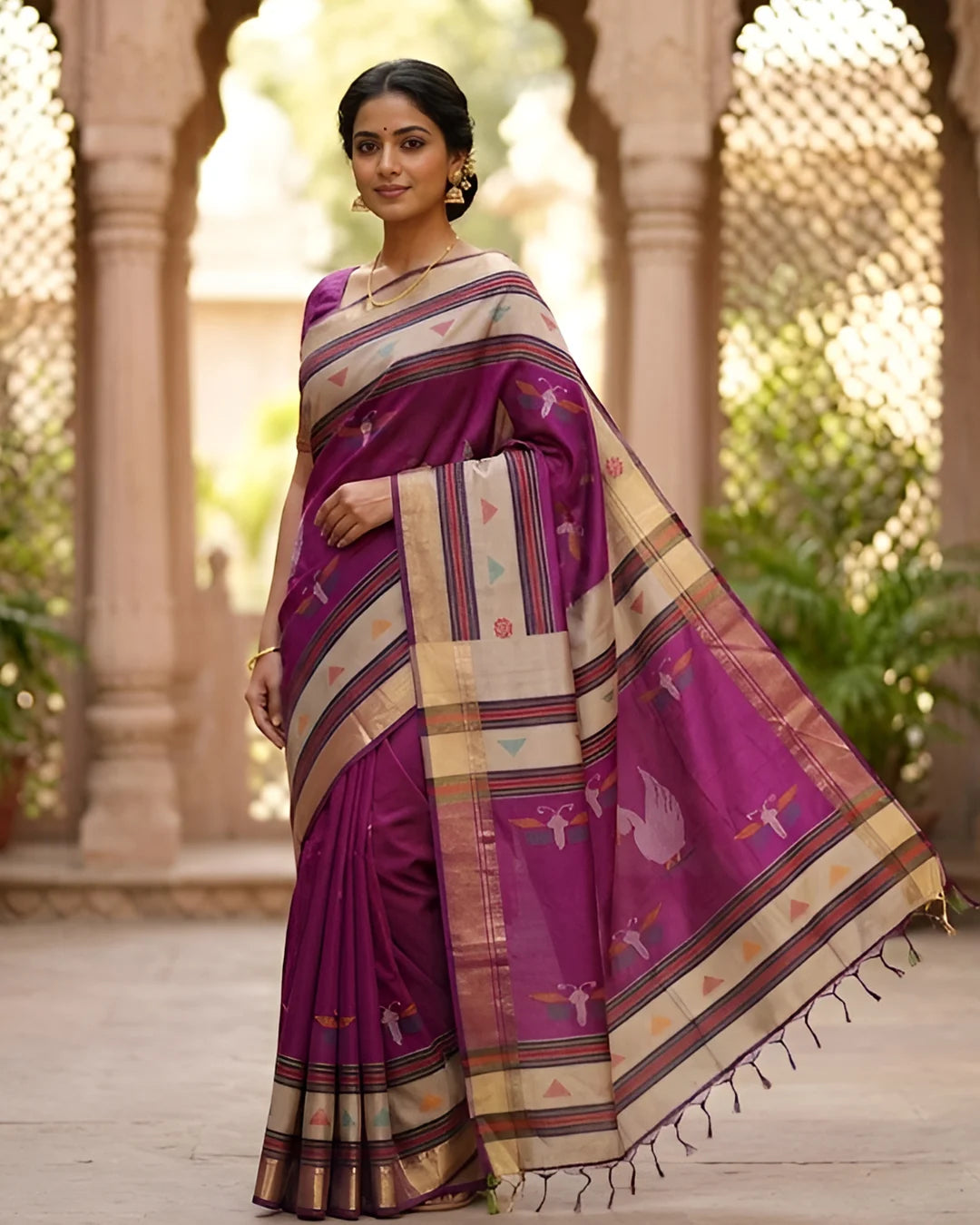
Not every design is woven. Mustard Field is a mustard yellow saree with delicate ivory Sanganeri block print motifs. The page lists the fabric as handwoven Chanderi silk cotton with a woven zari border. It names two origins: Chanderi, Madhya Pradesh for the weave, and Rajasthan for the Sanganeri block print.
It costs ₹3,500. The page lists it for festive celebrations, daytime functions, office wear and summer occasions. If woven butis feel too rich for your day, a print like this is a fresher option.
How to pick a design before you buy
Use this short checklist:
- Start with the occasion. Wedding or ceremony? Look at ek naliya or jaal. Daytime or work? Look at all-over buti or block print.
- Read the written details. Check fabric, motif, border and place of origin on the product page.
- Remember the photos. The site says its images are AI-generated for reference and the final saree may vary in colour, weave and detailing. Trust the description, and ask the team if something matters to you.
- Match design to blouse. Busy sarees like plain blouses. Plain sarees can take a richer blouse.
Ready to compare? View the latest Chanderi saree designs and filter by price or colour. If you are unsure how to spot genuine handloom work, read our guide on how to identify a Chanderi saree before you buy online. For what moves the price, see are Chanderi sarees expensive.
Conclusion
Chanderi designs are easier than they look. A buti is a small motif. Ek naliya is a raised, dense buti. Jaal covers the saree like a net. The border sets the tone, and a block print gives a lighter look.
Once you know these words, you can browse with confidence. When you are ready, explore our Chanderi saree collection and pick the design that fits your day.
FAQs
What is a buti on a Chanderi saree?
A buti is a small motif woven into the cloth. The Ashoknagar handloom office says it is made by hand, mainly with zari and mercerised cotton.
What does ek naliya mean?
It names a style of buti. The handloom office describes it as a single-pick technique that gives a raised look. Sellers spell it differently, including Eknaliya and Ek Naliya.
Is a block-printed saree still Chanderi?
For Mustard Field, the page lists the fabric as handwoven Chanderi silk cotton. The Sanganeri block print comes from Rajasthan. The product page names both origins.
Which design is best for a first Chanderi saree?
A scattered or all-over buti with a simple border is the easiest to wear again and again. Lotus is one example.